Sunday, 2 May 2021

More Arctic Skuas and Terns

Light SSW breeze freshened and drifted more west. A mixture of overcast sunny spells and the odd hail shower.

The following records are some of the sightings from today's LDBWS open event (thanks to Nick, Jean and Pete)
Arctic Skua 3 - 4
Arctic Tern 41 in 4 flocks
Sandwich Tern 15
Red-Throated Diver 3
Gannet 4
Kittiwake 38
Mediterranean gull 1 second calendar year 
Common Scoter c60
Pink Footed goose 49
Shelduck 4
Whimbrel 4

Overhead and grounded:
Lesser Redpoll 2
Tree Pipit 1
Swallow 2
Lesser Whitethroat by Half Moon Bay cafe

These c40 dark birds coming into the bay are too far for my optics to resolve any detail, but thought they must be Common Scoter (MD) (subsequently Dan advises me that they too picked these birds up and were 99% confident that they were Pink-Foot - I'll leave the clips as a reminder of how easy it is to misidentify distant stuff) Not really anything to see, but it gives a sense of the movement. On this clip at 09:35 they fly in and land on the sea.
After five minutes they take off again and head north along the Kent Channel. These shots were from the lighthouse on the south wall, and presumably part of the 60 recorded above.


South shore
The ringed male ringed  Rock Pipit was keeping guard near the lighthouse 
Common Sandpiper 1
This Common Sandpiper was near Ocean Edge slipway, just after a 
particularly heavy hail shower.

Whether it was there before the shower or forced down is unknown. Either way it decided to do a bit of feeding 

Middleton Nature Reserve
Ringing report from Alan:
Yet another frosty start. We had expected an better catch this morning than recently but it was not to be.  Six nets were set but only 8 birds were ringed, 8 retrap were were also caught:
Lesser Redpoll  2
Sedge Warbler  2 plus 3 retrap
Willow Warbler  2 retraps
Blackbird  2 retrap
Great Tit  1 retrap
Blackcap  1
Reed Warbler  1
Greenfinch  1
Reed Bunting  1

I was slightly surprised that no Whitethroats were caught but the individuals present appeared to be behaving territorially rather than moving around the reserve.

Just a quick check in the afternoon (MD)
All the regular warblers except Grasshopper and Garden heard. The only Cetti's was again the "no swimming" pond bird. 
There are several patches of Marsh Marigolds on Middleton 
The brightness of the yellow flowers was stunning in the sunshine.


Saturday, 1 May 2021

71 species total

A very cold start (see John's report) but the sun quickly warmed things up. It became more overcast by lunchtime with just sunny spells after that.

Middleton Nature Reserve 
Ringing report by John:
Very cold frosty start this morning, with my car thermometer showing just below freezing, when I arrived at 5.45am
Few birds about and the sun was on the nets early, making ringing conditions difficult.
Nets taken down by 10am and only eight birds caught
New were two blackcaps, two lesser whitethroats and a willow warbler. 
Re-trapped birds were a wren, sedge warbler and another lesser whitethroat.

LDBWS open event day 1
Report by Jean:

A combined effort from 20 of us led to 71 species being seen/heard in the Heysham and Middleton area today.

SEA highlights:
Sandwich Tern 6 – mainly blogging
Arctic Tern – 23 low over the water then rising high in the sky to go overland
Guillemot – 1 floating in with the tide at lunchtime seen from HMB cafe  by PJM
Gannet -1 distantly, to south from Ocean Edge by PJM
Common Scoter – 10 seen distantly from Ocean Edge looking south by PJM
Whimbrel – at least one
Whooper Swan – 6 late ones heading north.
Eider – not counted but plentiful around the skear
Red-breasted Merganser – 3 pairs
Great-crested Grebe – 2 pairs

LAND highlights:
Rock Pipit on the cliffs
A surprise Grasshopper Warbler moved through, heard but not seen
Whitethroats galore on Middleton NR
Lesser Whitethroats not quite as galore on MNR
Reed Warbler – 2 at MNR
Sedge Warbler – several at MNR
Cetti’s Warbler – heard by a few
Willow Warblers,Chiffchaff and Blackcaps singing.
Just Garden Warbler missing from the Middleton warbler-fest.
A vivid red male Bullfinch was a joy to behold even if its song was a bit pathetic!

SKY highlights aka “vis”:
Pink-footed Goose – 35
Tree Pipit – at least 2 heard by those with exceptional hearing
Lesser Redpoll – at least 5
Siskin – at least 2
Swallow – 53 (if we count the 40 seen by PJM from Ocean Edge)
House Martin – at least 2
Sand Martin  c20

Meadow Pipit – 2
Others may have different highlights......

These are  some of Dan's highlights:

Off-passage Grasshopper reeling Heysham Head where also two Tree Pipits over N, a steady northward passage of Swallows (c30 per hour) with c20 Sand Martins and at least one House Martin.

Circa six pairs of Linnet Heysham Head, also four male Greenfinches displaying.

Common Whitethroats in good numbers; five males on Heysham Head and at least 17 singing / displaying Middleton NR where up to five Gadwalls were giving aerial displays. Circa seven each singing Lesser Whitethroats and Sedge Warblers. Five singing Willow Warblers and two to three singing Reed Warblers but just one Cetti’s heard.

Let’s see if tomorrow’s watchers manage to do better……You know the target to beat!
Some of today's party on Heysham Head
Everyone welcome tomorrow - see yesterday's post for details.

Janet had a quick look on Middleton earlier and had one species perhaps not seen later:
Common snipe 1
Sedge warbler singing

The Mallard chicks ar becoming a star attraction on the main pond
At least 10 of the original 11 today


Heysham Skear - low water 09:40
Red-breasted Merganser by low water there were 10. Eight of them on the north side of the skear.
Whimbrel 3
Little Egret 7

The seed mussels are starting to form, the next few weeks will be significant in how the skear will develop this year. This area will be interesting, it is the northern end of the middle skear just before the first channel. Last year the honeycomb worm colonised this area, smothering the mussels,. But over winter some of the dead mussels have become exposed again, and it is on these that the seed mussels are anchoring 
The darker patches are the newly forming seed mussels

I removed one of the dead mussels, a bit like pulling a tooth out!
You can see the seed mussels attached to what was the exposed section.
I firmly replaced this one.

This is a close up of the surface, most of the seed mussels are on the old mussels.
Seed mussels grow quickly and if conditions support them they could regain this patch.
I'll keep you posted (MD)


Friday, 30 April 2021

First Whinchat arrives

A sunny morning after a cold overcast start. It clouded over by lunchtime after that there was a mixture of sunny spells and showers.

Middleton Nature Reserve 
Ringing report from Alan:
When I arrived at about 05.40 it was 3 degrees and cloudy, the sky cleared after an hour or so and it became quite warm in the sun. The NNE breeze increased to near 10 mh by 09.30. The combination of sun on the nets plus wind wafting the nets makes them very visible to birds so by 10.30 it was time to pack up.

Sedge Warbler  6 plus 2 retraps -  one ringed here in June 2020, the other ringed here in August 2019 and re trapped June 2020.
Blackcap  2 females
Willow Warbler  1 only
Lesser Whitethroat  1 retrap - ringed here in June 2019.
Chaffinch  1
Great Tit  1 retrap
Long tailed Tit  1 retrap

At least 12 Swallows flew through northwards in ones and twos.

I had a pleasant walk around mid morning (MD)
Warblers (numbers are minimum numbers of singing males heard)
Common Whitethroat 10
Lesser Whitethroat 6 
Willow Warbler 10
Chiffchaff 4
Cetti's warbler 1 (just the "no swimming" pond bird)
Sedge warbler 3
Blackcap 4
Grasshopper warbler 1 (just one brief reel from the NE corner of western marsh)
No Reed warbler heard, but the marshes were not checked as Alan was ringing.

This is a nice clip, shame about the siren! Male Chaffinch listening to a Chiffchaff singing, he then produces his song, then seems surprised to be answered by a Blackcap.

There seems to be a lot of Pheasants on the reserve this year,
but they normally see you before you see them!


There was a Little Grebe feeding a chick on the Tim Butler pond.


Seawatch report from Pete:
Arctic Skua 1 in Kent channel about 0725
No terns!!!
Red-breasted Merganser 4
Great Crested grebe 5 ( one trying to muscle in on displaying pair)
Swallow 11 north
Whinchat 1 male by Ocean Edge Cafe

A quick evening check of the shore below Heysham Head only managed to locate one pair of Rock Pipits on territory.
Whimbrel 2
The Sea Thrift on the cliffs is always nice to see.

Finally, what a difference a year makes. Last year there was a breeding pair of Mute Swan on both the "no swimming" and main pods. The Mallard with chicks was constantly driven from one pond to the other (she did very well fledging all nine!). This year there are nine none breeding Mute on the main pond (there was a failed breeding attempt) and they are happy to share their lunch with the Mallard chicks.


One last reminder of the open events organised by the LDBWS for this weekend
LDBWS Heysham 'open weekend' this Sat & Sun 
The second LDBWS field meeting of 2021 is a two-parter! Seawatching and landbird migrant sessions at Heysham Head this Saturday May 1st (7 'til 11AM) AND Sunday May 2nd (also 7 'til 11).

The first half of May sees the peak of Arctic Tern and Arctic Skua passage, as they fly into the inner bay on their Spring migration. Meet Shaun Coyle, Dan Haywood and other seasoned society seawatchers in the carpark of St. Peter’s Churchyard Heysham (suggested parking- Knowlys Rd or the pay-and-display in the village) at 7AM for a two-hour+ session over the dropping tide.

If you're not an early riser we'll be birding in the area till 11 AM but note that for terns etc., early morning is usually best.

As well as looking for terns, skuas and auks on the move we may also see offshore swallow and swift passage and search for songbirds making landfall on the headland. Telescopes can be useful but are by no means essential– binoculars are fine.

We would also like to offer short guided walks around nearby Middleton NR at this double-morning event, where the focus would be singing scrub and wetland warbler species. Please let us you know if this appeals and we can make arrangements.

Contact ldbws.info@gmail.com to express your interest in the event (stating which day you would like to join us) so we can gauge numbers and plan– note we’ll be moving around using the ‘rule of six’ but there will be plenty of space on the head!''

Please note that this open weekend event replaces the May 8th event-- when weather is predicted to be foul. Looking good for this weekend though!


Thursday, 29 April 2021

Three Tern species passage

A cold north wind continued till late evening before easing to nothing. Some heavy showers.

Pete's report from this morning:
Low tide channels 
Great Crested Grebe 4 
Red-breasted Merganser 6

Arctic Terns 11 plus 8 plus 12 the first lot headed NE high over the horse paddock!
Sandwich Tern c74
Common Tern 1
Pink Footed goose 14 north
Swallow 28 north

I just managed a late evening check of the skear. 
Little Egret 7
Whimbrel 2
Eider 67 close in
Red-Breasted Merganser just 3 - no displaying today
Great Crested grebe 4 (2 x 2)
These two didn't seem to be getting on!

Later, these two were starting a very genteel display. This clip also shows the beautiful evening light.

The tide had left this Thornback Ray stranded. They are one of the 
recent fish species, that were once quite rare but are now quite common in the bay.
It was obviously alive when stranded as you can see marks in the mud
where its tail had been. I picked it up, it was still just alive.

I quickly placed it in a pool that would not drain before the tide returned.
I think it would survive. It was probably one caught then returned by anglers
and hadn't had time to recover before being stranded

It was a beautiful sunset, but better still........

......it made the rain falling near Arnside into Purple rain!


LDBWS Heysham 'open weekend' this Sat & Sun 
 now includes Middleton Nature Reserve 

The second LDBWS field meeting of 2021 is a two-parter! Seawatching and landbird migrant sessions at Heysham Head this Saturday May 1st (7 'til 11AM) AND Sunday May 2nd (also 7 'til 11).

The first half of May sees the peak of Arctic Tern and Arctic Skua passage, as they fly into the inner bay on their Spring migration. Meet Shaun Coyle, Dan Haywood and other seasoned society seawatchers in the carpark of St. Peter’s Churchyard Heysham (suggested parking- Knowlys Rd or the pay-and-display in the village) at 7AM for a two-hour+ session over the dropping tide.

If you're not an early riser we'll be birding in the area till 11 AM but note that for terns etc., early morning is usually best.

As well as looking for terns, skuas and auks on the move we may also see offshore swallow and swift passage and search for songbirds making landfall on the headland. Telescopes can be useful but are by no means essential– binoculars are fine.

We would also like to offer short guided walks around nearby Middleton NR at this double-morning event, where the focus would be singing scrub and wetland warbler species. Please let us you know if this appeals and we can make arrangements.

Contact ldbws.info@gmail.com to express your interest in the event (stating which day you would like to join us) so we can gauge numbers and plan– note we’ll be moving around using the ‘rule of six’ but there will be plenty of space on the head!''

Please note that this open weekend event replaces the May 8th event-- when weather is predicted to be foul. Looking good for this weekend though!

A chance to see:
Arctic Skua

Arctic Tern


Whitethroat 

Wednesday, 28 April 2021

Slight lull, hopefully before a not so slight a storm

The cold NE breeze freshened by 08:00. Mainly overcast with some brief sunny spells.

Pete checked from north wall 07:30 - 08:30:
Arctic Tern 22 + 9 in (before the wind freshened)
Sandwich Tern 2 blogging
Guillemot 5
Red-breasted Merganser 13
Great Crested grebe 4
Eider not counted 
House Martin 2 in
Pete must have been bored, he took this shot of me, back in full winter plumage
 I must wear that hat more often, makes me look like I have hair!
This is what I was looking at, the two blogging Sandwich Tern
Eventually a total of eight went through
The patch of rocks where I am standing is all that remains of the old Tanker Jetty. The two buoys out from the north wall are where the original floating ends of the jetty (for some reason they were called dolphins) kept the jetty end at the same relative height to the unloading tankers. These rocks are only exposed on spring tides and are covered in anemones.
Five closed anemones waiting for the tide to return

Pete also managed a quick check of the outflows:
Mediterranean gull at least 1 second calendar year
Common gull - lots!
The Dark-bellied Brent goose was further down the coast at Cockersands today.

Middleton Nature Reserve - mid afternoon
What a difference a week makes at this time of year, that's how long it's been since my last visit. The leaves are all bursting out and within two minutes of arriving at the bottom car park I'd heard six warbler species:
Cetti's warbler ( eventually 2)
Lesser Whitethroat (eventually 3)
Willow Warbler
Chiffchaff 
Blackcap
Sedge Warbler (eventually 3)

Later in the circuit I also managed 
Common Whitethroat 2
Reed Warbler 1
No sign of Grasshopper Warbler this afternoon

Swift 2
Swallow 1

Mute 9 plus 2 breeding pairs
Mallard 3 males 2 females - the one with chicks now on the main pond
Coot 3 (Tim Butler pond bird with 3 chicks)
Moorhen 3

Finally another tale of Hermit Crabs (MD):
Just a little later than this last year, I explained the difficulties a Hermit crab has when they move to a shell that is too large for them (see post 13th May 2020 - there is a shortcut link to dates on the sidebar to the right), and I'll  probably do the same again this year! But today's tale is the opposite problem, when their shell is too small. This one was on the skear a couple of days ago, I saved it for a quieter day.
This Hermit Crab was laying prostrate out of its shell. I thought it had died of exposure, it was a warm day, and it was exposed.
But when I touched its leg it retracted slightly, so not dead yet.
I then noticed the fresh damage to the shell, either side of the barnacle.

It was obviously in a shell too small to offer it full protection, both from predation and the sun. So I picked it up to place it in a pool. To my surprise, instead of retracting as far as it could, it became quite animated.
I don't normally shake - I'll put it down to excitement!

This is a front on view

This is the detail of the shell damage. Small peck holes, so not a crow or gull.
There is no way that this crab would have been stranded here, unless it was unwell.
The only benefit of a small shell is that it is relatively light and manoeuvrable.
More likely a wader (oystercatcher?) has brought it here and tried to get it out,
I do believe the barnacle may have saved it, but surprised there is no obvious damage to the crab

Whether it was the attack or the subsequent exposure it clearly needed to recover. I placed it in a pool and set about trying to find a larger shell for it to move into. The tide was already coming in so I didn't have long.
The first shell I found was the same size, but at least not damaged. Unfortunately already occupied by a small Hermit Crab.
This small crab (you can just make out a couple of legs) is prone to being stranded
with such a relatively large, unwieldy, shell, but at least it is well protected.

After about 10 minutes I found a full size common Whelk shell, but again occupied and by a crab the same size as the first crab. 
The crab seems quite large when in feeding mode as it is above. But when I picked it up and it retracted, you can see there is plenty of room for "growth". A full sized crab fits this size shell perfectly, they can't fully retract but their large claw fully covers the opening.

By this time, the tide had already reached the pool where I left the first crab. I'd done all I could, but it was a shame that I couldn't find a better shell for it, I'm confident it would have switched. So I resolved to keep the next empty shell I find for potential other opportunities, but so far I've not found one, they are obviously prime real estate!
I referred above to growth in inverted commas, that's because they grow by shedding their old exoskeleton, which in this crab species is just the head legs and claws, the rest is just a fleshy muscle. The new exoskeleton then swells and hardens. They are just starting to shed now. This is a discarded outer skeleton.
Note the large right hand claw used to block the shell entrance 

Heysham is fortunate enough to be the host of a LDBWS open weekend this weekend. I will post these details again tomorrow and Friday:

LDBWS Heysham 'open weekend' this Sat & Sun.

The second LDBWS field meeting of 2021 is a two-parter! Seawatching and landbird migrant sessions at Heysham Head this Saturday May 1st (7 'til 11AM) AND Sunday May 2nd (also 7 'til 11).

The first half of May sees the peak of Arctic Tern and Arctic Skua passage, as they fly into the inner bay on their Spring migration. Meet Shaun Coyle, Dan Haywood and other seasoned society seawatchers in the carpark of St. Peter’s Churchyard Heysham (suggested parking- Knowlys Rd or the pay-and-display in the village) at 7AM for a two-hour+ session over the dropping tide.

If you're not an early riser we'll be birding in the area till 11 AM but note that for terns etc., early morning is usually best.

As well as looking for terns, skuas and auks on the move we may also see offshore swallow and swift passage and search for songbirds making landfall on the headland. Telescopes can be useful but are by no means essential– binoculars are fine.

We would also like to offer short guided walks around nearby Middleton NR at this double-morning event, where the focus would be singing scrub and wetland warbler species. Please let us you know if this appeals and we can make arrangements.

Contact ldbws.info@gmail.com to express your interest in the event (stating which day you would like to join us) so we can gauge numbers and plan– note we’ll be moving around using the ‘rule of six’ but there will be plenty of space on the head!''

Please note that this open weekend event replaces the May 8th event-- when weather is predicted to be foul. Looking good for this weekend though!


Tuesday, 27 April 2021

Scaup joins the year list

Overnight showers had more or less stopped by 08:00. Odd shower during the day. West wind drifting to north by evening.

Seawatch report from Pete:
Sea incoming tide Heysham north wall: 
1 Arctic Skua - dark morph
1 drake Scaup flew in 09:08
41 Guillemot
5 Razorbill (all auks floating in quite close)
16 Gannet
1 Red Throated diver
7 blogging Sandwich Tern (don’t usually get tern passage in westerlies)
5 Whimbrel
1 migrant little egret NW across the bay.  
Low water channels
320 Eider
1 Dark-bellied Brent
Harbour Porpoise 1

There are 8 singing male Rock Pipit between Heysham Head and Ocean Edge - at least three - like the stone jetty one - probably not paired.

Wheatear 1 below Heysham Head
Bar-Tailed Godwit 1 out from Half Moon Bay
It was nice to see this male House Sparrow help to feather the nest (one of the colony near Half Moon Bay high steps).


Heysham skear on ebbing evening tide
Little Egret at least 14
Great Crested grebe 1
Red-breasted Merganser 11 many of them frantically displaying to the diminishing female contingent:

These even go in for a bit of synchronised diving - note the second male start to display when it temporarily finds itself first male


Monday, 26 April 2021

Black Guillemot and Arctic Skuas top a good bill

Very light SSW breeze early on moved to SW and became slightly fresher. Sunny till lunchtime then overcast for the rest of the day.

A few observers were seawatching (Jean, Doreen, Dan and Pete - apologies if I've missed anyone) summary by Pete:
Sea incoming tide Heysham: 
Common Scoter 85
Razorbill 25
Guillemot 174
Razorbill/Guillemot c30
Sandwich Tern 74
Black Guillemot 1 in summer plumage
Red throated diver 1, 
Arctic Skua 4 (but a Pomarine and 4 other Arctic Skuas seen off  Rossall didn’t come through)
One of two dark morph Arctic Skuas missed passing through Heysham, but seen 
and photographed by Dan Haywood from the Stone Jetty in Morecambe 

Whimbrel 3
Pink-Footed goose 138 (plus one Unidentified small goose)
Dark- bellied Brent 1
Immature Dark-bellied Brent - see below for high water location
Manx Shearwater 7
Goosander 2 (not common here)
Mediterranean  gull 1 second calendar year
242 Common Gull. Many of these floating in. 
Not a single Arctic Tern despite small flocks passing Rossall - puzzling - maybe the Lune is the new overland route!

Harbour Porpoise 1
Grey Seal 3
One of yesterday's Grey Seals "bottling"
Picture by Kevin
Janet spotted the Dark-bellied Brent goose out from Half Moon Bay an hour before high water. It then drifted towards Heysham Head and back again. The shot below is one of mine just to show the location (MD)
This is the rocky outcrop at the northern end of Half Moon Bay, you can just make out the Brent.
It drifted between here and the rocks out from the Head and back again till high water,
and probably beyond. The detail shot above was taken from the path along the cliffs.

A couple more shots from Kevin:
Whimbrel and Little Egret 

Redshank and Dunlin

Another record of a colour ringed Grey Wagtail received (see scheme details on side bar to right)
Thanks to Mike Pickwell for this record and picture 
Amazingly the first from perhaps the theoretically most likely breeding river to the north - the Kent!

AXH0491/Lime over metal/red over red
Ringed:  Middleton NR, nr Heysham as 1st winter bird    31/8/20
Seen=male River Kent SD487980, near Staveley, Cumbria  26/4/21   38km NNE

Sunday, 25 April 2021

Swift arrive

The wind from NNE to east was quite cool early on. The sun warmed the day up.

Pete and Jean conducted a, relatively quiet, seawatch from the north harbour wall - report from Pete:
0650-0850:
40 Arctic tern three flocks, 
1 Common Tern, 
c20 Sandwich Tern, 
1 Mute Swan, 
2 Red Throated diver
3 Whimbrel and a few swallows.  
Three Grey Seal around

Heysham skear - low water 05:20
Eider c80 close in
Red-breasted Merganser 3
Sandwich Tern 2
Whimbrel 20+
Swallow 2
Common Snipe 1
No sign of the Dark-bellied Brent
Bar-Tailed Godwit 8 - these weren't actually on the skear, but feeding on the mud just south of it. They continued feeding until the tide pushed them onto the rocks. These three circled south, picked up five more birds before heading off north.

This is just a still from the video, the summer plumaged male looks quite impressive.

Swift 2 over Knowlys Rd 18:30 (first of the year) - ref Alan Physick 

Saturday, 24 April 2021

Still plenty of interest over the sea.

Very light variable breeze again, from NE to west and back to NE again. Very warm in the almost constant sunshine.

Middleton Nature Reserve 
Ringing report from John:
Another very quiet ringing morning. Although three nets set before 6.30am, no new birds caught in the first two hours. Just two retrap warblers a Willow and a Sedge. 
The only other birds caught later were seven Lesser Redpolls, in two small groups.

Jean and Pete conducted a seawatch from the North wall, and the resulting tally looks impressive, but things weren't as hectic as yesterday.
Report from Pete:
Early morning seawatch heysham north wall: 
52 Sandwich Tern
8 Red Throated diver - Nick had more rtd than us (10 in and 3 out)
1 Arctic Skua
32 Whimbrel
175 Pinkfeet
1 distant Osprey
141 Common Scoter
3 Gannet
9 Guillemot
2 Razorbill
2 Razorbill/Guillemot 
5 Arctic Tern - The arctic terns we’re going up the Lune flightline this am - Ian Hartley had 60 odd in a short high tide seawatch from Cockersands.
5 Manx Shearwater 
13 Swallow and 1 House Martin over sea

Nick Godden also a lot of Bar-Tailed Godwit (130 north plus 25 on the shore) which may have been feeding north of Heysham Head - they are on the move nationally in big numbers and strong easterlies seem to be diverting them from the usual English Channel route 

Also:
1 Chiffchaff, 
1 Wheatear, 
1 Displaying Rock Pipit along wall 
Redpoll and Linnet overhead.

Pete also checked Red Nab and located 2 x 2nd calendar year Mediterranean gull 

Pictures of both Meds by Pete

Also on south shore:
Kevin took these three pictures:
Linnet with nest material 

Sandwich Tern

Two Whimbrel 
Grey Plover, there has been a couple hanging around the saltmarsh all winter, they are now well on the way to summer plumage.

Heysham skear - low water 17:00
Red-breasted Merganser 6
Eider 93 counted close in, there would have been more
Whimbrel 2
Teal 4 (2 male and 2 female preening before flying north)
Dark-bellied Brent goose - it was on the north side of the skear again 16:15. But further out, the same distance from shore as Conger rock (the largest rock of the skear located on the south side). It was still visible as I was making my way back at 17:00. No reason why it won't be there again tomorrow, but higher tides mean it will become increasingly difficult from the sea wall.
Just for the record - Dark-bellied Brent


Friday, 23 April 2021

Auk day!

Another almost breathless day with the gentle breeze making its way around the compass. The air was much warmer today so very warm in the sunshine.

Seawatch report from Pete:
Heysham north wall 0630-0830.  
Unidentified fest ie an auk day: 100 plus dots on sea/whirring wings in heat haze, 
125 identifiable as Razorbill or Guillemot, 
20 Guillemot
6 Razorbill
2 Arctic Skua (plus additional bird by Alan Physick) all dark morph
132 Sandwich Tern
3 singleton Arctic Tern (unusual)
8 Red-Throated Diver
71 Common Scoter
4 Gannet
1 Manx Shearwater
1 Harbour Porpoise

Later up to 0930, 
9 more Manx Shearwater 
1 Red-Throated diver
c6 Guillemot
1 Razorbill 

Heysham Nature Reserve 
Janet reported Great Spotted Woodpeckers drumming here plus along the dog walk track. Plus these nice butterfly shots.
 Brimstone

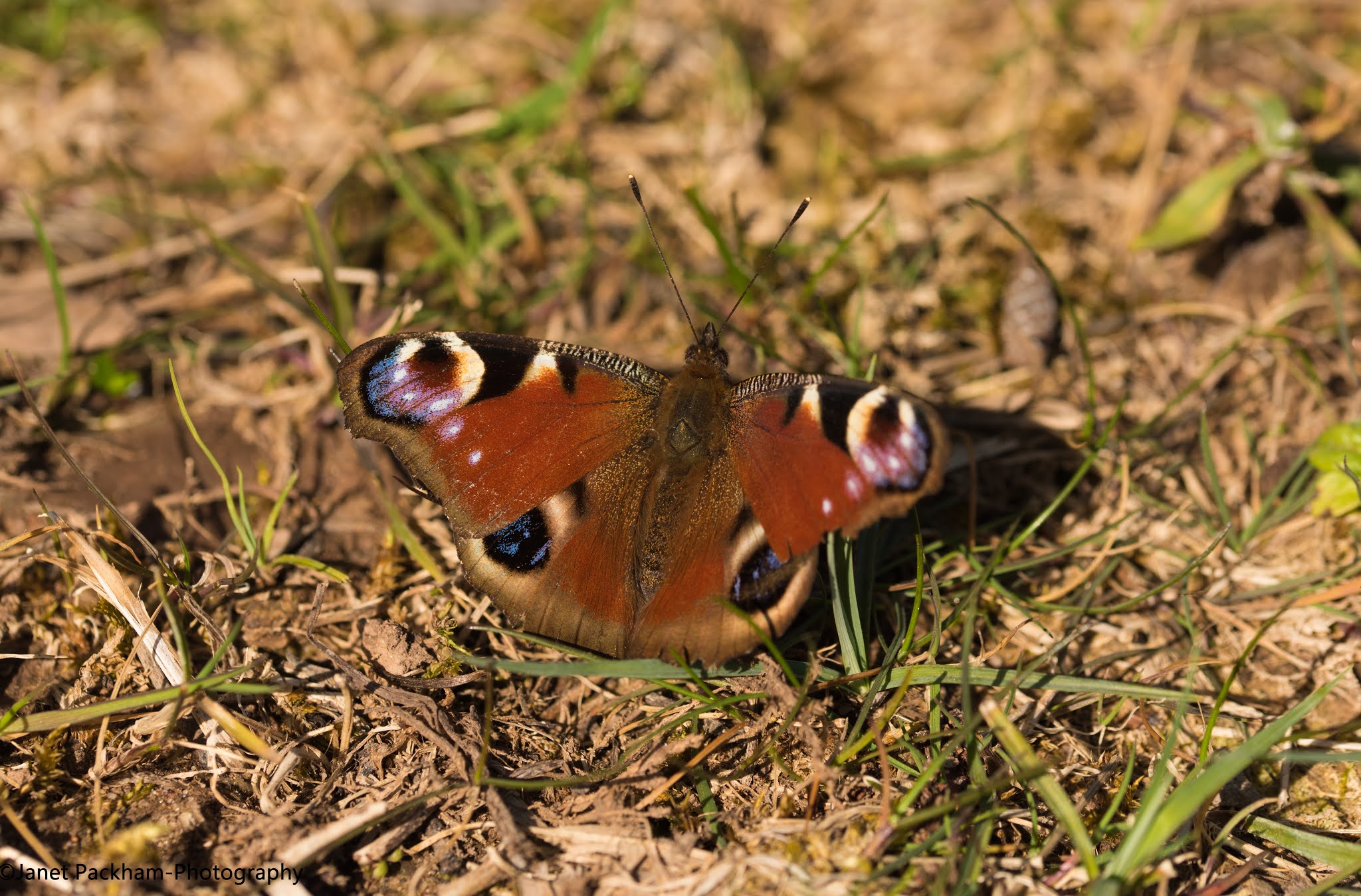
Peacock


South shore
Wheatear 2
Rock Pipits 3 - one displaying on Red Nab, the ringed bird on the harbour wall near the lighthouse plus this feeding bird that was closer to the lighthouse - it still isn't clear of the status of the ringed male.

White Wagtail 1 - this male was feeding on the sloping wall next to the lighthouse 

Whimbrel 2 - one north plus this one resting on the sea wall

Heysham skear - low water 15:30
I went down a bit earlier in the tide cycle today, the water was still ebbing.
Dark-bellied Brent goose 1 - it was already feeding in the same location as yesterday. So presumably it had been there a while, and I fully expected to stay till moved on by rising tide. So possibly another show tomorrow? If so 90 minutes either side of low water (15:30 - 18:30 tomorrow). If you want to see detail of the bird, see yesterday's post. Today's pictures are to help show where it was. 
Close in on the north side of the skear,  so no chance of seeing it from the south side. Best place from the sea wall would be the fishing platform near to where the Grosvenor hotel used to be (Grosvenor Rd)
This is just before low water, the Brent is on the water in the middle of the image.
It then moved in to the NE corner of the skear, it's to the left of this image.
That's the Stone jetty top right.

Eider c50
Great Crested grebe 1
Red-breasted Merganser 6
Whimbrel 5
Dunlin c20 - I really enjoyed this, I was just walking off the inner skear, when I had to stop to allow a small troupe of Dunlin walk past. An interesting variation of plumages from winter towards summer.

Just occasionally, to me special occasions (MD), the beach sings. Not really a song, more like the white noise when you play a record and the music has stopped. It tends to happen on warm calm days, I think of it as the sound of life, millions of invisible bubbles popping, presumably oxygen from the algae and carbon dioxide from the tiny creatures. Today was such a day, the sound although not loud completely surrounds you. I wasn't sure If I could record it, and at one level I couldn't, this recording although conveying the sound, falls way short of conveying the sensation. Turn up the volume and try and imagine the sensation (there is nothing to see in this clip, it's just for the noise).